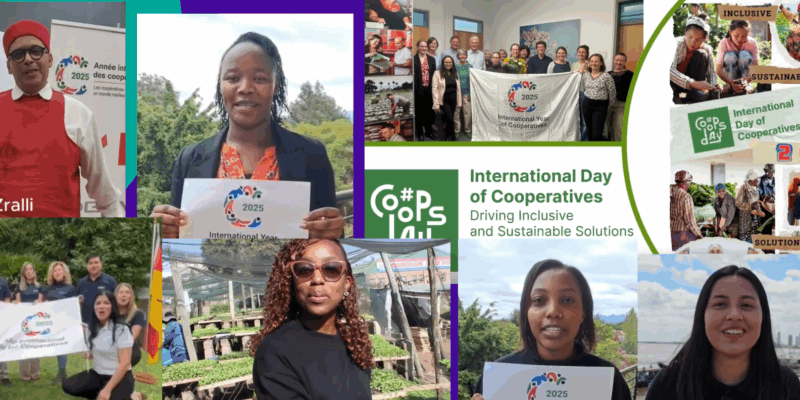
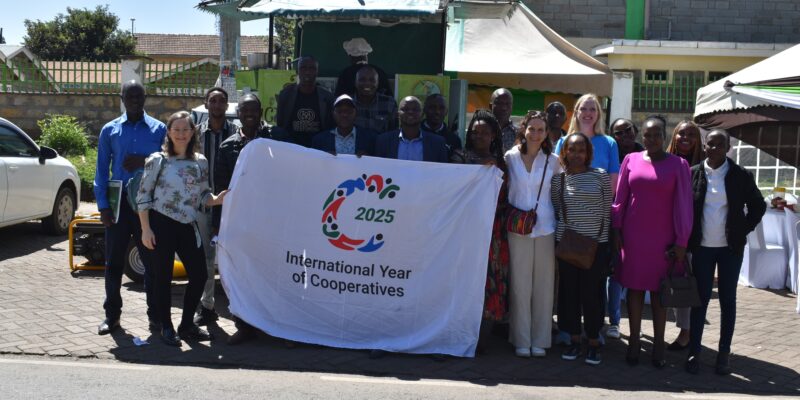
After the International Year of Cooperatives 2025, the cooperative movement enters a new phase: carrying forward the visibility, lessons learned, and global momentum into a longer journey towards 2035. For DGRV, this means continuing to strengthen cooperative systems, invest in people, and promote the cooperative model as a future-oriented response to economic, social, and environmental challenges worldwide.
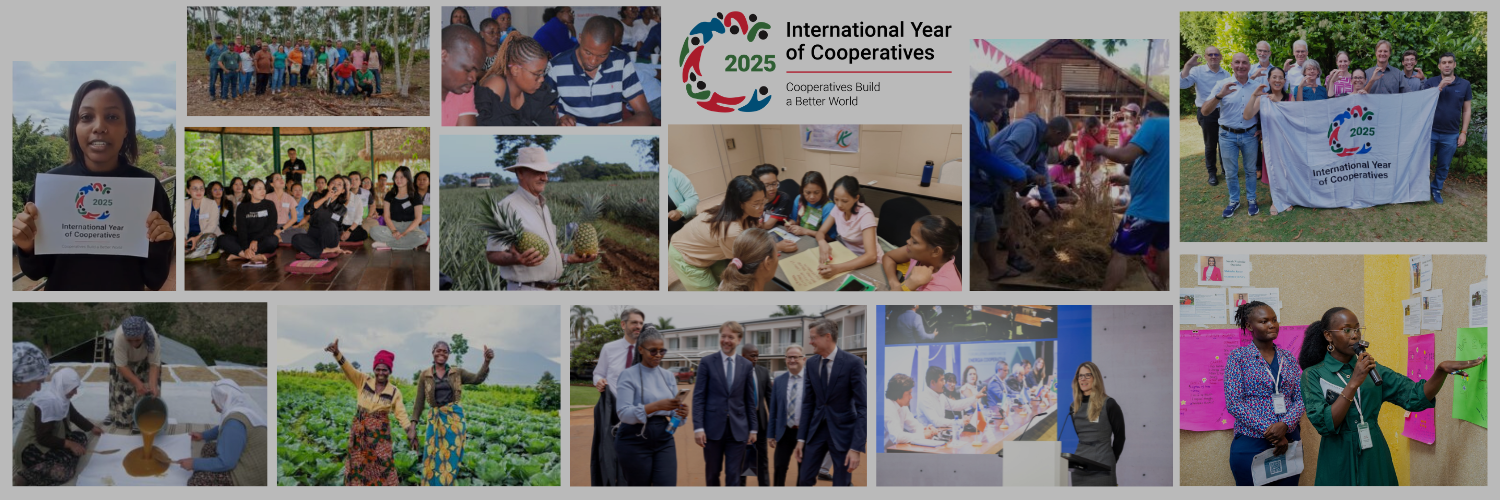
In 2025, cooperatives around the world once again moved into the global spotlight. Under the theme “Cooperatives Build a Better World,” the United Nations declared the ‘International Year of Cooperatives 2025’. A huge honour! The UN recognising the vital role of cooperative enterprises in advancing sustainable development, strengthening communities, and promoting inclusive economic participation. As global movement, we had the chance to stress the continued and growing relevance of the cooperative model in addressing global economic, social, and environmental challenges.
Now, in the year 2026, it is time to reflect: What did we learn? And how can we build on this momentum as the cooperative movement looks towards the next International Year of Cooperatives, which the United Nations has already foreseen for 2035?
Visibility matters – this is a mayor take-away for us as DGRV in respect of our international cooperation. Let us continue to stress the rational of our work: lasting impact depends on strong institutions, capable people, and enabling environments.
Throughout 2025, our work highlighted how strengthening governance and supervision systems is fundamental to cooperative sustainability. In the Dominican Republic, for example, the introduction of digital supervision tools supported the national supervisory authority IDECOOP in improving transparency and risk management. These tools enable supervisors to analyse cooperative financial data more efficiently and to identify potential risks at an early stage, contributing to greater stability and trust in the cooperative financial sector.
Similarly, in the Philippines, the introduction of risk-based supervision marked a shift towards more proactive and preventive governance, enabling cooperatives to identify risks early and strengthen their resilience. This approach is particularly important in a country where millions of members rely on cooperatives for savings, credit, and economic opportunities, making sound supervision essential for financial inclusion.
Equally in Uganda, DGRV has been supporting the development of health cooperatives to strengthen community-based access to healthcare services. In rural areas where public health infrastructure is often limited, these cooperatives enable members to organise health services collectively and improve access to affordable medical care. Through capacity-building measures, governance training, and support in financial management, cooperative leaders are equipped to manage these institutions sustainably and transparently. By strengthening organisational structures and accountability, the project contributes to building trust among members and ensuring that health cooperatives can serve as reliable community-based institutions.
These experiences underline a key insight: cooperatives thrive when supported by robust institutional frameworks that protect members, ensure accountability, and build confidence in cooperative structures.
As Jan Holthaus, CEO of DGRV, emphasises:
“The International Year of Cooperatives 2025 reminded us that strong cooperatives do not happen by chance. They require solid governance, effective institutions and members who are committed to their cooperatives. Our task now is to build on this momentum and continue strengthening cooperative systems worldwide.”
The IYC 2025 also reaffirmed that cooperative identity and governance are not static achievements, but ongoing processes. International exchange and peer learning played an important role in this regard. In Honduras, for instance, cooperative leaders and regulators engaged in dialogue with international partners to strengthen deposit protection mechanisms and improve cooperative governance practices. Such mechanisms are crucial to safeguard members’ savings and to reinforce public confidence in cooperative financial institutions, especially in times of economic uncertainty.
An initiative like this shows that cooperative development is not only about expanding numbers — it is about strengthening quality, professionalism, and long-term sustainability.
Another clear lesson from 2025 is that the future of the cooperative movement depends on empowering the next generation of leaders.
In Kenya, a newly created mentorship programme supports women leaders in building confidence and advancing into leadership roles, helping to address persistent gender gaps in cooperative governance. By strengthening women’s participation in decision-making, the course contributes to more inclusive and representative cooperative institutions that better reflect the needs of their members.
At the same time, youth-focused initiatives around the world demonstrated how cooperatives can provide meaningful opportunities for young people. From youth training programmes in Africa, Asia, and Latin America to school-based student cooperatives in South America, these initiatives show how cooperative values can inspire entrepreneurship, participation, and democratic engagement from an early age.
These experiences confirm that investing in people is essential for ensuring the long-term vitality and relevance of the cooperative model.
The IYC 2025 was not an endpoint, but a milestone. In recognition of the continuing importance of cooperatives, the United Nations has decided that the International Year of Cooperatives will now be celebrated every ten years.
IYC 2035 – this decision sends a strong message: the cooperative movement has a decade to build on the momentum of 2025 and to further demonstrate its contribution to sustainable and inclusive development.
For DGRV and its partner organisations, this means for our development cooperation: Let us continue to strengthen cooperative systems, support leadership development, and promote cooperative values in the diverse contexts we work in around the world.
It also means continuing to document and share cooperative success stories, showcasing how cooperatives create economic opportunities, empower communities, and contribute to social cohesion.
The IYC 2025 showed clearly: cooperatives are not only a model of the past — they are a model for the future. Yet, their success cannot be taken for granted. Strong commitment by inspired cooperators, sufficient funding for investments, and ongoing trustful collaboration are essential.
We are already on the road towards 2035. The lessons learned in 2025 provide a strong foundation for the next chapter of cooperative development worldwide.