Publications /

From the Classroom to Agricultural Cooperatives: Building Skills in Cambodia


Through classroom learning, internships and research, a partnership between DGRV and Cambodia’s Royal University of Agriculture helps students build the skills to work in agricultural cooperatives.
From the Classroom to Agricultural Cooperatives: Building Skills in Cambodia


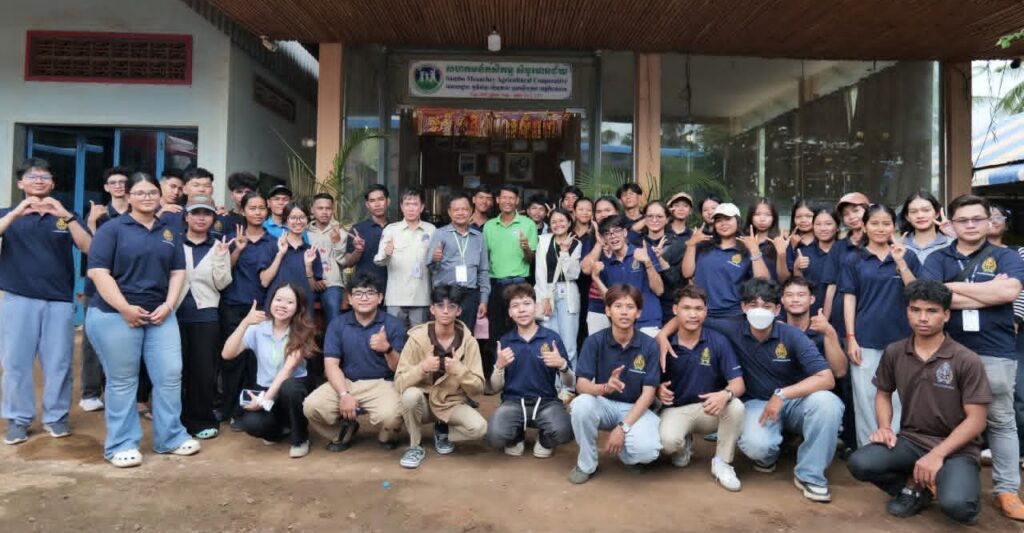
For students of agriculture, a cooperative can be more than a subject in a textbook. It can be a place to apply their knowledge, conduct research and begin a career. A partnership between DGRV and Cambodia’s Royal University of Agriculture (RUA) is helping students make this connection.

The cooperation brings university education closer to the needs of the cooperative sector. It combines teaching with internships, student research and professional training. These activities are part of DGRV’s work in Cambodia and are made possible by financial support from the German Federal Ministry for Economic Cooperation and Development (BMZ). The goal is to prepare young people for cooperative work while strengthening the skills of those already active in the sector.

Understanding Cooperatives and Their Role


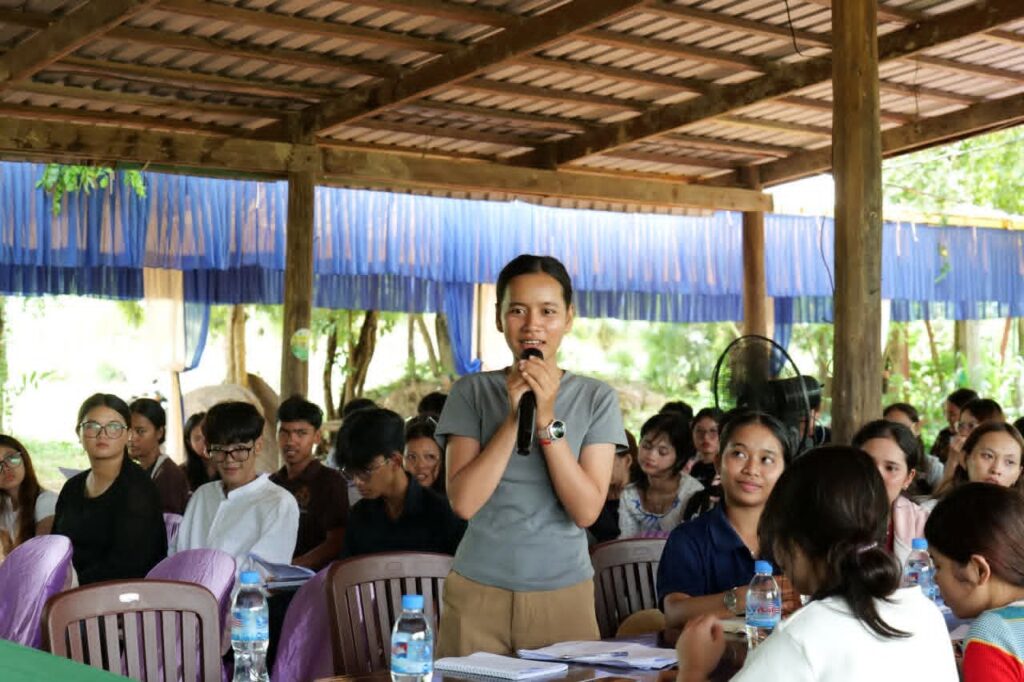
The journey starts in the classroom. RUA’s Faculty of Agricultural Economics and Rural Development (AERD) is integrating cooperative topics into its curriculum. Students learn how agricultural cooperatives work and why they matter for rural economic development.

This knowledge opens up a new perspective on their studies. Alongside learning about agriculture and economics, students discover organisations in which they could put these skills to use. Cooperatives become visible as potential employers and places where graduates can contribute to rural development.

The partnership also responds to Cambodia’s growing focus on Modern Agricultural Cooperatives (MACs). As the sector develops, it needs people who understand both agriculture and the cooperative business model. University education can help build that foundation.


Taking Knowledge into Practice


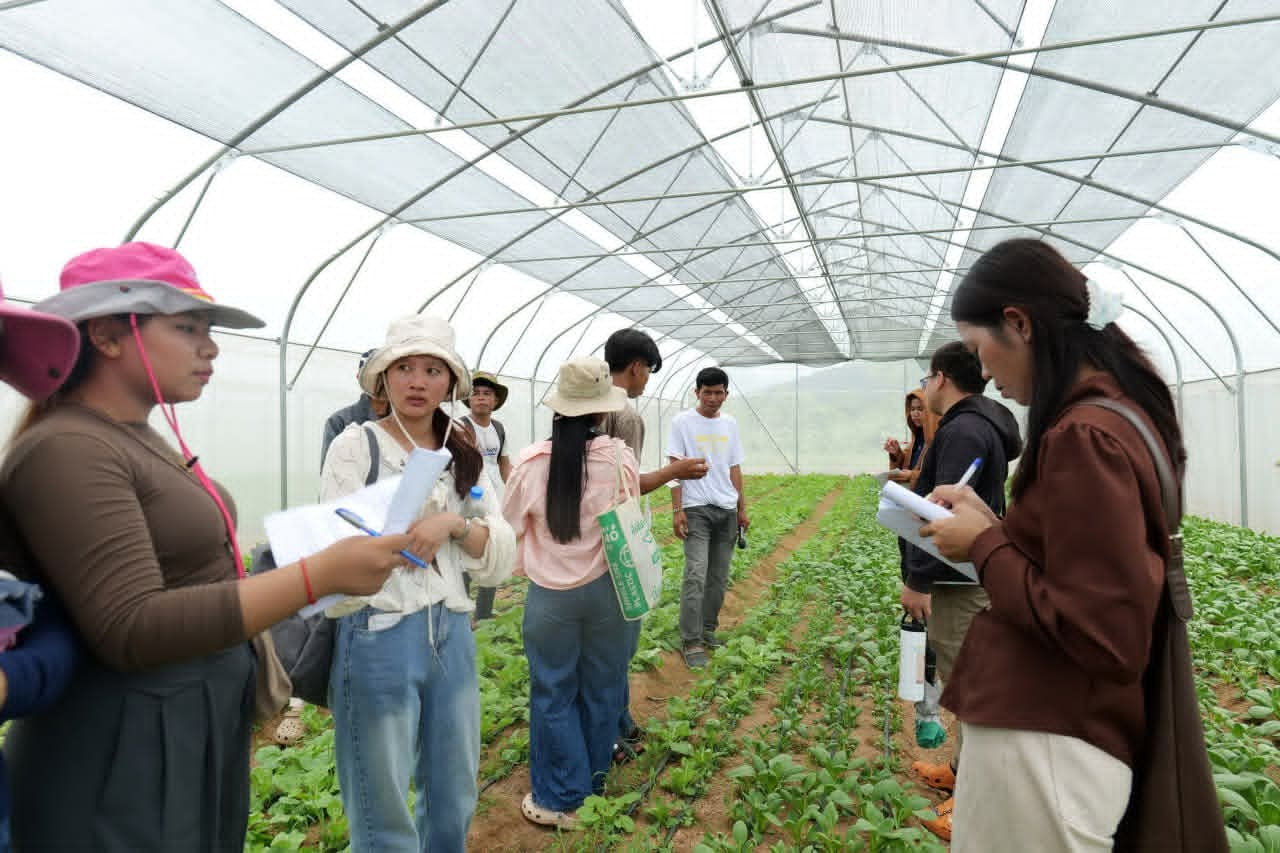
Understanding a cooperative in the classroom is one step. Experiencing its work is another. Internships give students the opportunity to connect academic knowledge with professional practice.

In 2026, ten students were offered the opportunity to undertake internships and write their graduation theses with DGRV support. Eight took up this opportunity and successfully completed their internships and theses. Such internships in agricultural cooperatives and cooperative institutions introduce them to the sector’s daily work. They can explore how their studies relate to the organisations they may one day join.

Their graduation research creates a further link between education and practice. Students can examine cooperative topics in greater depth and draw on their practical experience. The university, in turn, strengthens its connection with the sector.

Together, these opportunities help students move from learning about cooperatives to considering a future within them. They also help the sector connect with young, qualified people.

The following publications may also be of interest to you


Project Story

Strengthening Supervision of Village Banks through Cooperative Organisation in Laos

13. July 2026
Strong savings and credit unions are helping to build a more resilient and inclusive financial sector in Laos. Discover how DGRV, together with the Bank of the Lao PDR and LASCU, is strengthening the supervision of village banks through cooperative solutions.

More
Project Story

Transforming Cooperative Support: Building Capacity for Sustainable Cooperatives in Vinh Long

2. March 2026
A decade of capacity building in Vietnam transformed cooperative support from administrative oversight into strategic guidance, helping cooperatives become sustainable, transparent, and member-driven enterprises. 

More
Project Story

Philippines: Strengthening Risk-Based Supervision in the Cooperative Sector

14. September 2025
A milestone for the cooperative sector in the Philippines: CDA and DGRV advance risk-based supervision with strong support from BMZ.

More