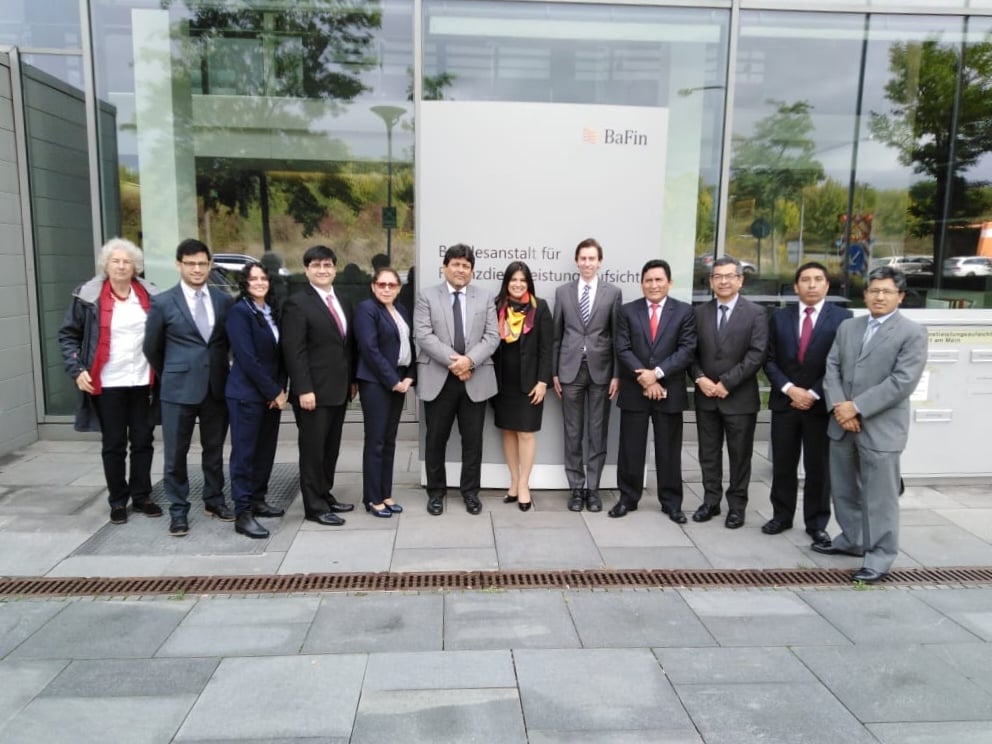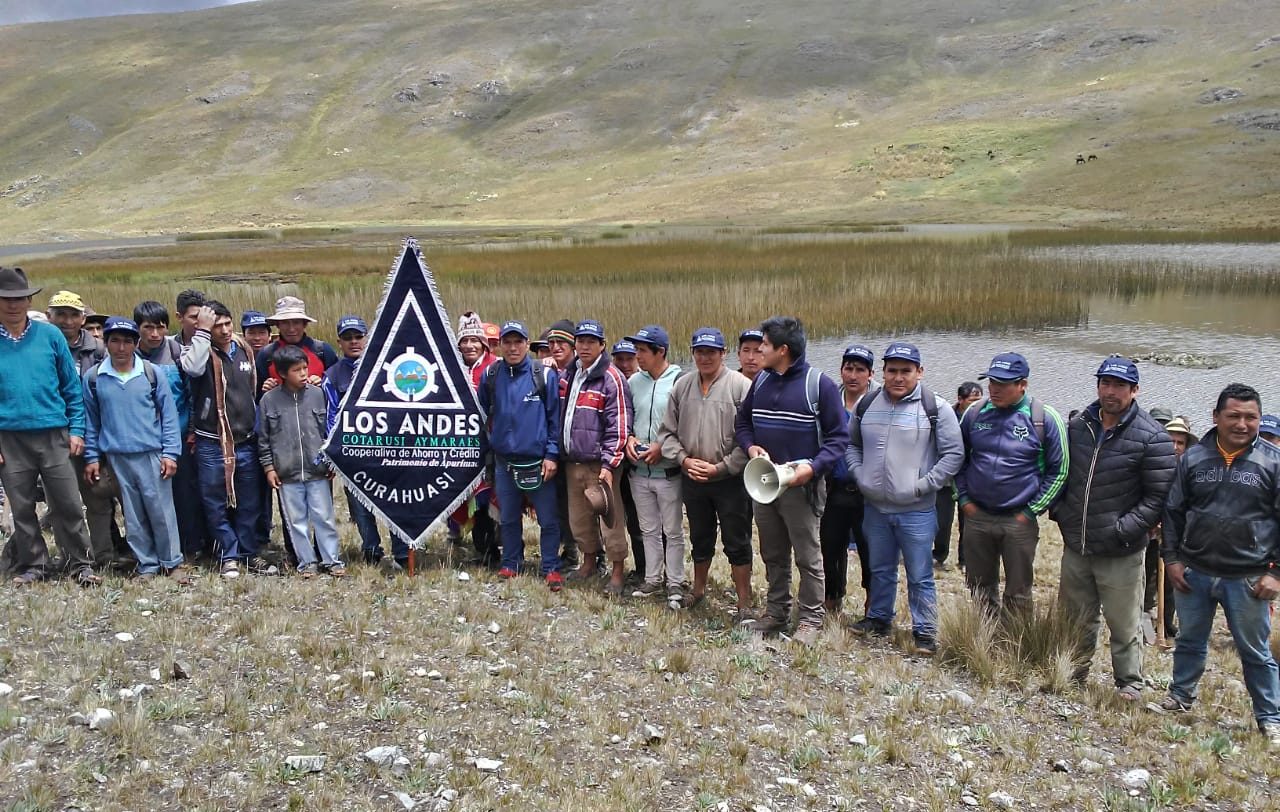
In Peru DGRV offers support through two different projects. One financed by the German Federal Ministry for Economic Cooperation and Development (BMZ) and one financed by the Inter-American Development Bank (IDB).
In Peru, DGRV works to strengthen cooperatives in the financial and agricultural sectors, with a particular focus on improving access to sustainable value chains and ensuring the competitiveness and long-term viability of cooperative structures.
The country is home to 1,245 cooperatives, representing 2.4 million members. Around 22% of these cooperatives are located in rural areas, and the sector is largely shaped by small-scale entrepreneurship—over 90% of cooperatives are classified as micro or small enterprises. The project in Peru addresses the key challenges faced by cooperatives in both sectors, aiming to support inclusive economic development and sustainable growth.
In collaboration with national institutions, the project provides advisory support on regulatory and supervisory matters, particularly in the financial sector. This includes helping cooperatives adapt to the legal framework introduced for agricultural cooperatives in 2019. In agriculture, the focus lies on improving conditions for cooperatives and their producer members by promoting access to financing and support programs.
To enhance the services offered by cooperative networks, the project works with federations and central cooperatives (central offices) in the financial sector. Key areas of support include integrated risk management, strategic and financial planning, cooperative social balance, microcredit, and digital readiness. In the agricultural sector, DGRV strengthens the service portfolio of the Central Agroandina del Perú (CAAP). These efforts target staff within federations and central offices, ensuring that support structures are equipped to meet member needs.
At the local level, the projects’ target groups are the members of individual cooperatives and other forms of member-based collaboration. Final beneficiaries include micro-enterprises in rural and marginalized urban regions, with a special emphasis on family producers, women, and young people.
Together with our partners, we carry out the following activities:
– Digital training and capacity building through workshops and seminars
– Regional and international internships
– Formation of various competence networks and working groups.
– Consultancy, technical assistance and technology transfer programmes (DGRV tools).
– Elaboration of studies, methodologies, guides and reference manuals.
– Courses in DGRV Campus


The activities of the project in Peru are supervised by the DGRV office in Paraguay:
Dr. Cirilo Cáceres Zorrilla N° 1050
entre San Juan XXIII y Narciso Colmán
Asunción, Paraguay
Heber Fundes (financial sector)
Mirkko Villa (agricultural sector)
Across six countries in Latin America, DGRV implements the project “LAC E-Coop: Piloting Green Finance to Promote Community-based Clean Energy Solutions” (2024–2027), funded by the Inter-American Development Bank (IDB).
The concept: long-standing partners of DGRV—savings and credit cooperatives (SACCOs)—are empowered to finance renewable energy investments. DGRV, as IDB’s selected implementation partner, provides tailored advisory services to ensure green loans are effective and sustainable.
Through this approach, rural communities and smallholder groups gain access to affordable financing for productive uses such as solar-powered irrigation or energy-efficient agricultural processing. DGRV leverages its expertise and strong cooperative network across Latin America to design practical solutions.
This initiative strengthens cooperative structures, promotes climate resilience, and accelerates the transition to clean energy in rural areas.
In Peru, the project will collaborate with FENACREP and CIDERURAL and associated credit cooperatives. It is expected to start early in 2026 and to pilot green loan products for smallholder groups in rural areas.
 Latin America
 In Costa Rica, DGRV works to strengthen the cooperative sector as part of the country’s broader social economy. The focus lies on helping cooperatives contribute more effectively to sustainable development, especially in relation to the goals of the 2030 Agenda. Costa Rica is home to 540 cooperatives across various economic sectors. Out of a population […]
More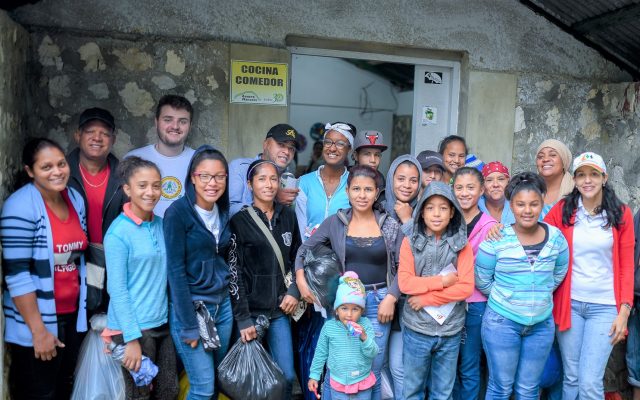 Latin America
 In the Dominican Republic, DGRV’s work focuses on strengthening cooperatives in the financial and agricultural sectors, particularly in rural areas in the north and south of the country. The objective is to improve the economic and financial inclusion of small-scale producers, women, youth, and other vulnerable groups. The country is home to around 2,300 cooperatives, […]
More Latin America
 In Ecuador, DGRV works across the country to strengthen the cooperative sector, with a particular focus on financial cooperatives. To foster financial inclusion, the project supports savings and credit cooperatives in delivering innovative, high-quality products and services to their members and clients. Special emphasis is placed on sustainable financing and promoting gender equality. The country […]
More