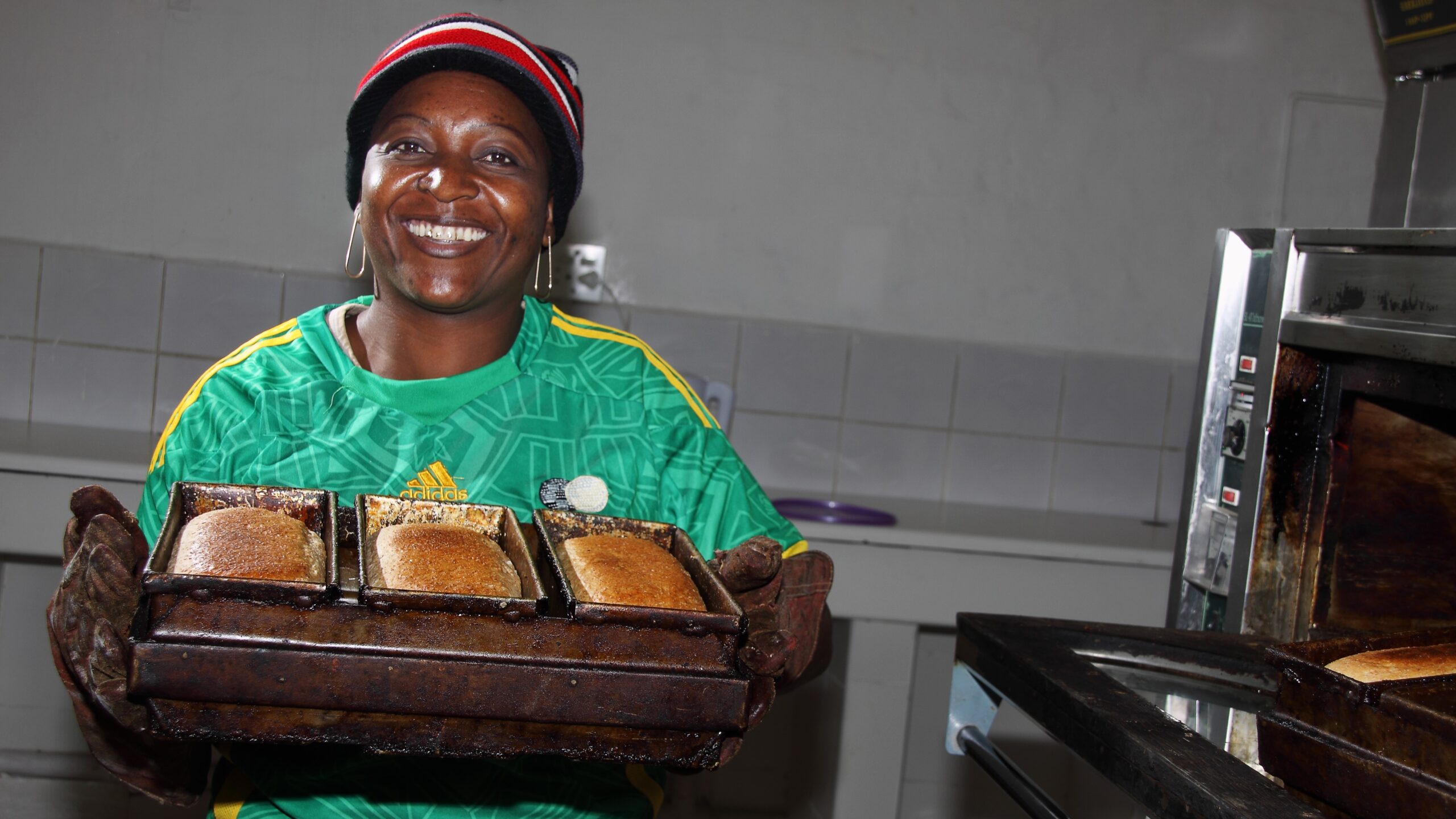
Pretoria – Ten years ago, South Africa’s food safety and bakery sector gained an unlikely champion. What began as a DGRV division to help struggling bakeries has grown into the Bakery & Food Technology Incubator of South Africa (BICSA) – the country’s only dedicated food technology incubator, now marking a decade of formal operation.
The seeds were planted in 2005, when DGRV, together with the Small Enterprise Development Agency, the South African Chamber of Baking, and with strong early support from BÄKO-ZENTRALE eG, set out to tackle a persistent problem: small bakeries and cooperatives lacked access to training, funding, and technical expertise. The partnership blended German cooperative know‑how, local industry networks, and targeted funding to create a platform that could raise standards, improve compliance, and open markets.
By 2014, BICSA had been formalised as a Section 21 nonprofit, expanding its scope beyond bakeries to include food manufacturing and hospitality. Its flagship three‑year incubation programme, followed by two years of post‑graduation support, offers entrepreneurs everything from technical production, assistance to market access strategies and compliance guidance.
“The combination of technical expertise, industry credibility, and cooperative values gave BICSA a strong foundation,” says CEO Ansie Potgeiter. “It’s why we’ve been able to adapt and keep delivering impact.”


Like many development initiatives, BICSA’s early years relied on donor funding. But when the COVID‑19 pandemic and shifting priorities reduced financial support, the incubator pivoted. In 2020, it adopted a self‑sustaining model, offering paid services to subsidise its incubation work and reinvesting all profits into operations. The shift was not without challenges – rural outreach became harder, donor timelines didn’t always align, and running high‑quality programmes remained costly – but BICSA leaned on its founding relationships for non‑financial support, mentorship, and strategic guidance.
Over the years, BICSA has supported hundreds of SMMEs, helping them secure funding, create jobs, and meet stringent food safety standards. Success stories include:

BICSA’s evolution mirrors a pattern seen across DGRV’s global work: pilot projects, when anchored in cooperative principles and strong partnerships, often mature into independent, sustainable institutions that continue delivering impact long after initial funding ends. Early technical and industry support – such as BÄKO’s role in BICSA’s formative days – helps ensure these organisations are built to last.

Looking ahead, BICSA plans to expand its incubation and training programmes, strengthen industry partnerships, and establish regional hubs to broaden its reach. The goal remains clear: drive job creation, reduce poverty, and safeguard South Africa’s food sector for the long term.