
A milestone for the cooperative sector in the Philippines: CDA and DGRV advance risk-based supervision with strong support from BMZ.
In the Philippines, cooperatives play a central role in promoting inclusive finance and supporting livelihoods across both urban and rural areas, particularly those engaged in lending. However, as these cooperatives grow and become more complex so do the challenges of ensuring financial stability, good governance, and regulatory compliance.
The Cooperative Development Authority (CDA) of the Philippines is aware of these challenges and intends to improve the ongoing practice. This opens a new field for cooperation with DGRV and our project in the Philippines. Together, we launched an ambitious initiative at the start of 2024 to modernize the supervision of financial cooperatives. At the heart of this effort is the revision and operationalization of the Risk-Based Supervision and Examination Manual for Cooperatives Engaged in Lending (RBSEM-CEL).
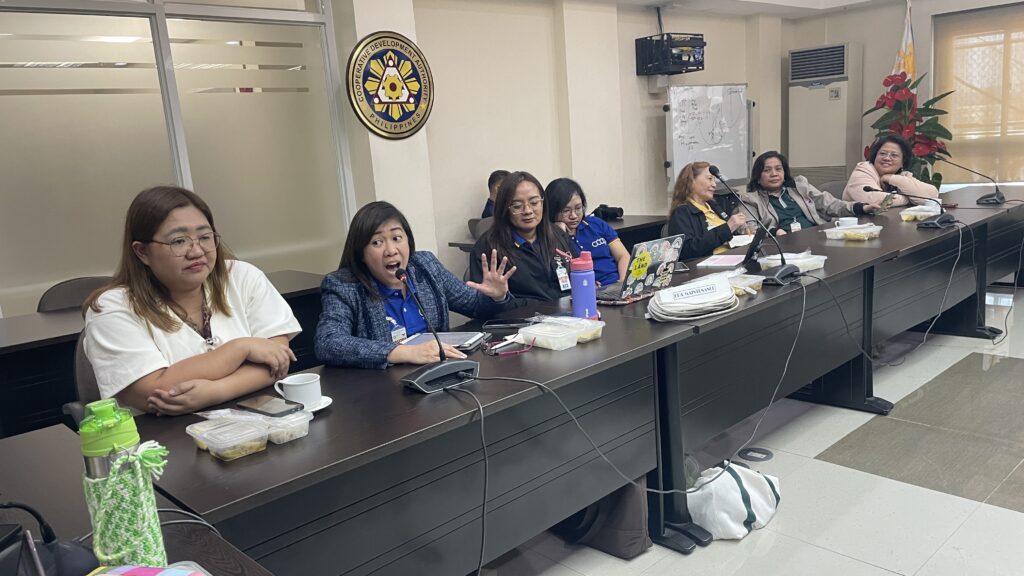
In February 2025, a national stakeholder workshop was held to finalize the RBSEM-CEL. Participants included actors from the cooperative sector as well as representatives from the public and private sectors, such as the Bangko Sentral Ng Pilipinas (BSP) and private auditing firms. The goal of the workshop was to introduce a more structured, risk-sensitive framework that includes a practical “toolbox” of methodologies to guide cooperative supervision.
Following the workshop, the CDA trained 14 specialists in the use of the manual, who then conducted pilot examinations in three savings and credit cooperatives. These on-site assessments tested the manual under real-world conditions, providing valuable feedback on both its practicality and effectiveness.
One key finding from the pilot phase was the estimated time requirement of around 20 working days per cooperative examination. Given that there are over 20,000 registered cooperatives in the Philippines, this finding highlights the scale of what lies ahead: at least 700 supervision specialists will need to be selected and trained in order to implement the manual nationwide. This represents a major collective effort for the entire cooperative sector.
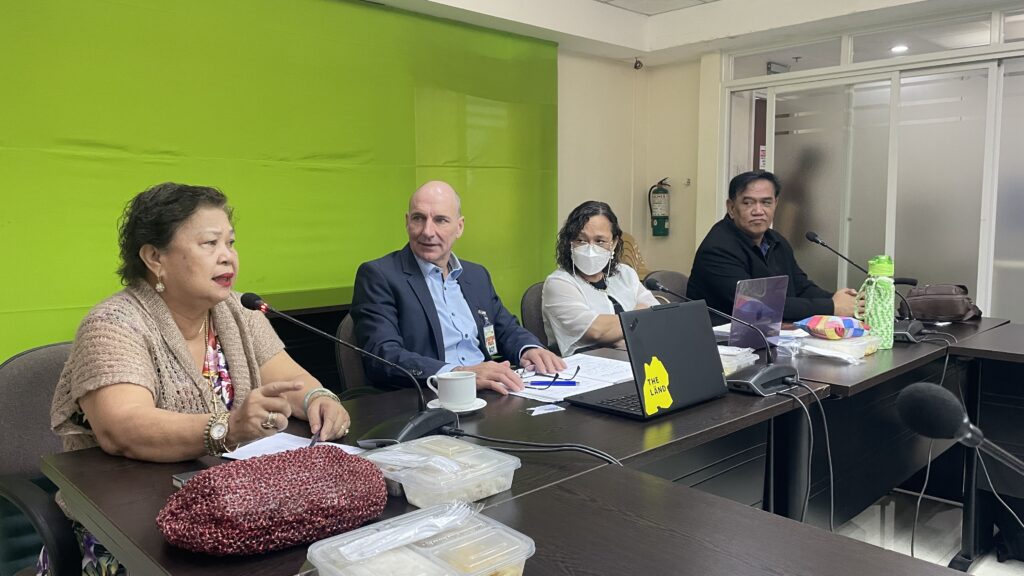
Based on insights from the pilot examinations, the manual was further refined by a Technical Working Group (TWG) in July 2025. The next steps include the continued development of the supervision toolbox, and the official presentation of the revised manual to the cooperative sector.
The upcoming nationwide rollout of the RBSEM-CEL will be accompanied by strategic capacity building, development of supervisory systems, and policy alignment within CDA’s legal framework.
“Risk-based supervision is more than a technical upgrade. It is a cultural shift in how cooperatives position themselves and act about governance and sustainability.
We are proud to support CDA in making this vision a reality.”
says Reinhold Hörnle, DGRV Country Director in the Philippines.
This initiative also contributes directly to UN Sustainable Development Goal (SDG) 8 – Decent Work and Economic Growth by strengthening financial institutions and promoting sustainable, inclusive economic growth. By empowering both regulators and cooperatives to proactively manage risks, the approach enhances sector-wide resilience in the face of economic and social uncertainty.
The strong partnership between CDA and DGRV demonstrates the value of local ownership combined with international technical support. Both partners also greatly appreciate the substantial support of the German Government (BMZ) through the DGRV project, which makes this cooperation possible and sustainable. Altogether, the collaboration reflects the core of the cooperative idea: working together for shared responsibility, resilience, and development.
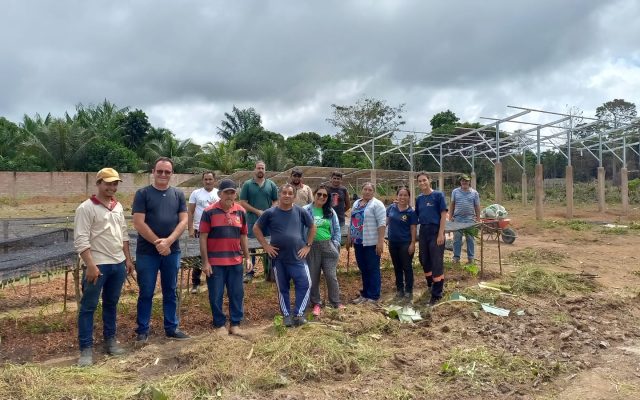
Helping the cooperative CCampo Alimentos to implement an Agrivoltaic pilot project in Brazil
More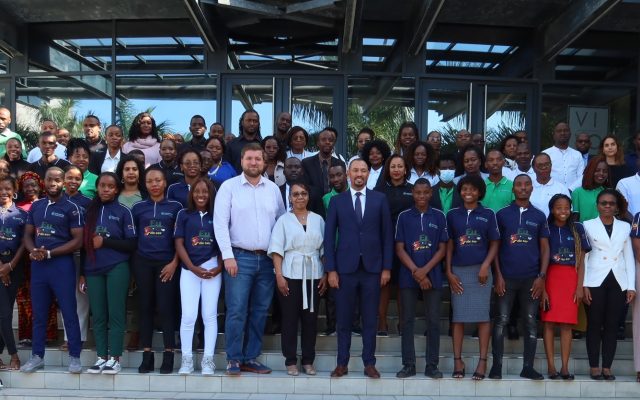
Empowering Mozambican youth through cooperative entrepreneurship to tackle unemployment and promote economic growth.
More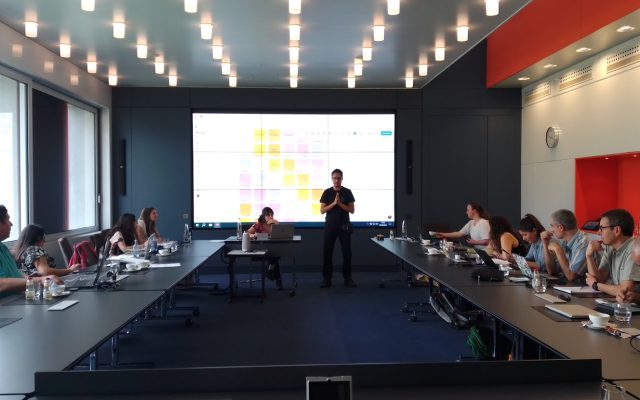
In June, eight Chilean organizations participated in an Exposure Visit to learn from the experience of Energy Cooperatives in Germany
More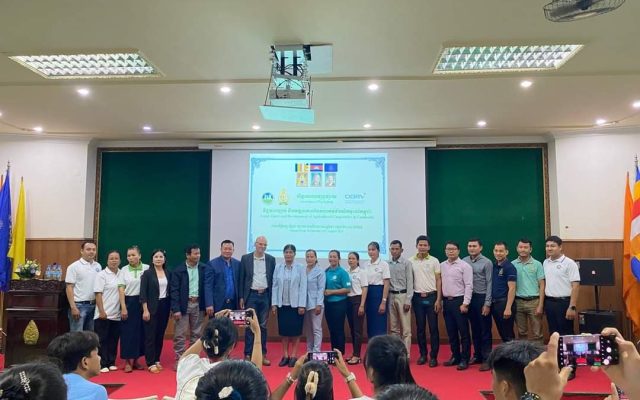
Empowering Cambodia's agricultural cooperatives through dynamic seminars: DGRV and AERD/RUA collaborate to drive leadership, professionalism, and sustainable growth.
More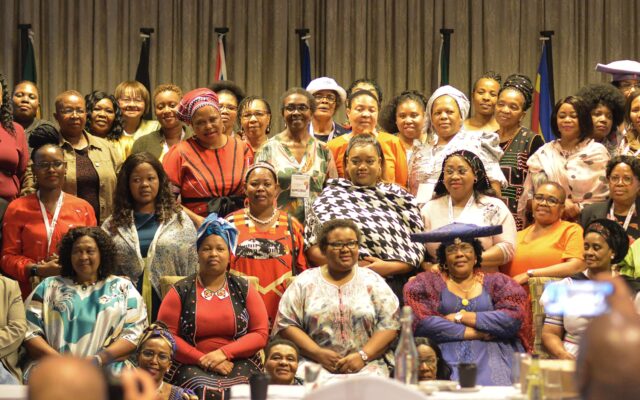
In an extraordinary gathering, female traditional leaders from Southern Africa converged to harmonize the concepts of Ubuntu and cooperative principles, setting a visionary path for community development.
More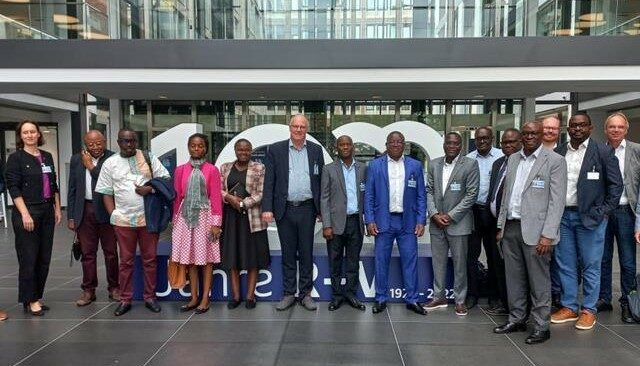
Financial experts from Benin, Cameroon, and Uganda embarked on a journey to Germany to explore the essence of cooperative principles, forging a vision for a resilient banking sector that transcends borders and fosters economic and social progress in African communities.
More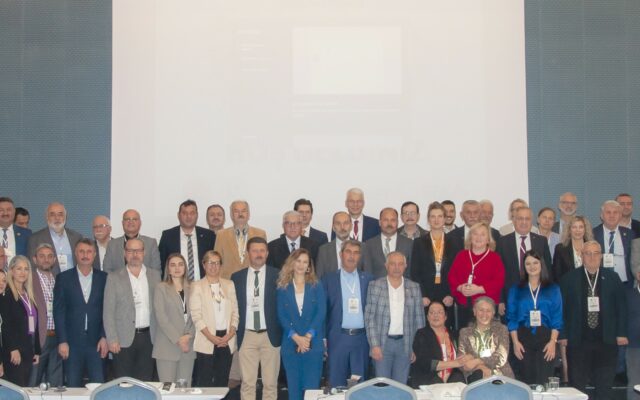
The 8-year long TAKBİ project within the framework of the Turkish and German association cooperation, revitalized Turkish agricultural cooperatives by surmounting challenges, elevating organizational structures, improving service quality, and fostering member satisfaction, leaving a lasting positive impact on the cooperative landscape in Turkey.
More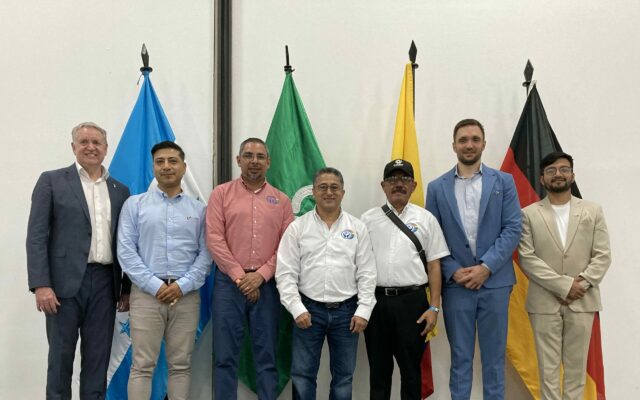
DGRV’s project in Honduras focuses on strengthening the cooperative financial sector, particularly in rural areas, and improving access to financial products and services. The initiative also aims to enhance resilience to climate change and promote the efficient use of natural resources, fostering sustainable and inclusive economic growth.
More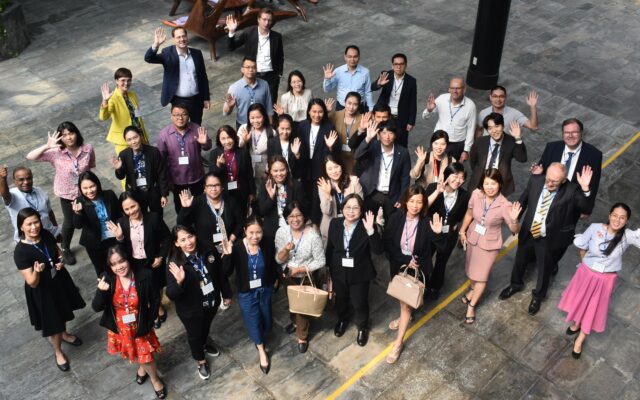
A new partnership between DGRV and the Cooperative Development Authority (CDA) in the Philippines is enhancing regulatory oversight and stability within the cooperative sector.
More
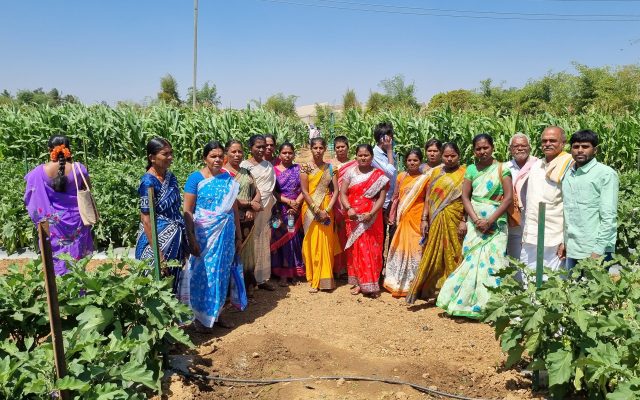
Adaptation measures to climate change in rural areas in India
More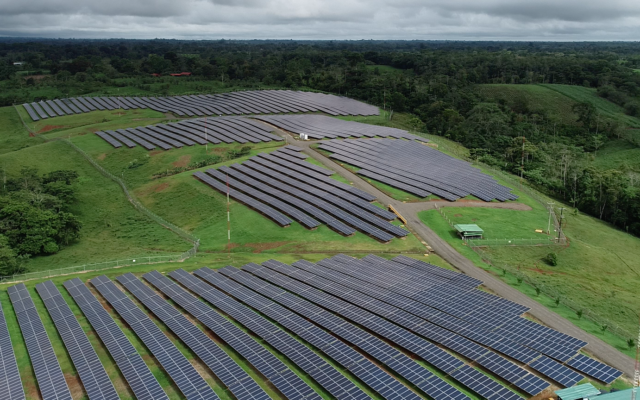
Renewable Energy in Costa Rica generated by cooperatives.
More
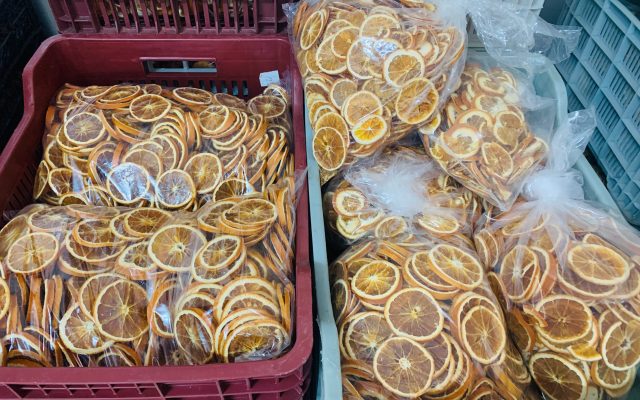
Food Processing with a Regional Federation
More
Digitisation of Primary Co-operatives in eSwatini
More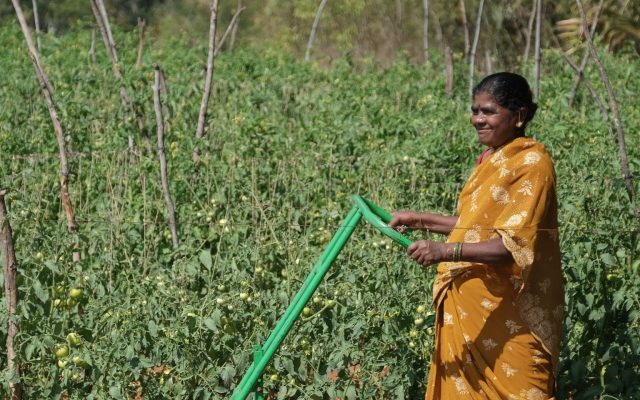
A central solution that enables members to make daily agricultural necessities available promptly and financially affordable
More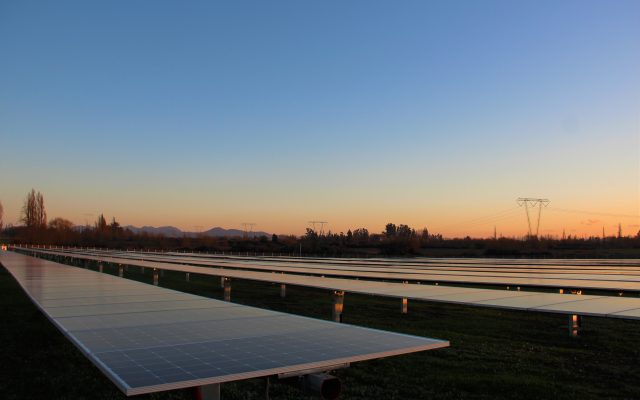
The creation of Community Distributed Generation Cooperatives in Chile.
More
Textile cooperative in Tunisia
More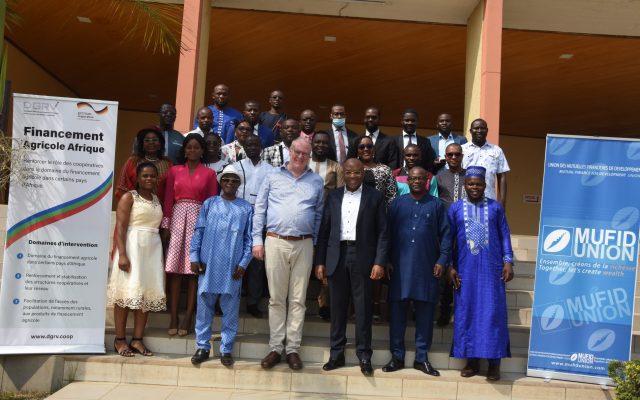
Facilitating access to quality agricultural finance products in Cameroon
More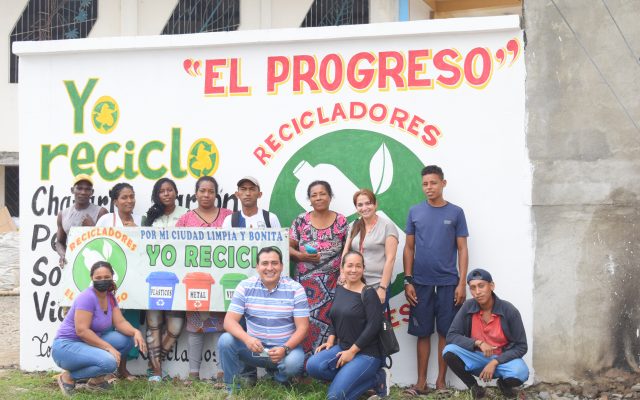
Generating business and commercial connections with the "Networks in Action" project
More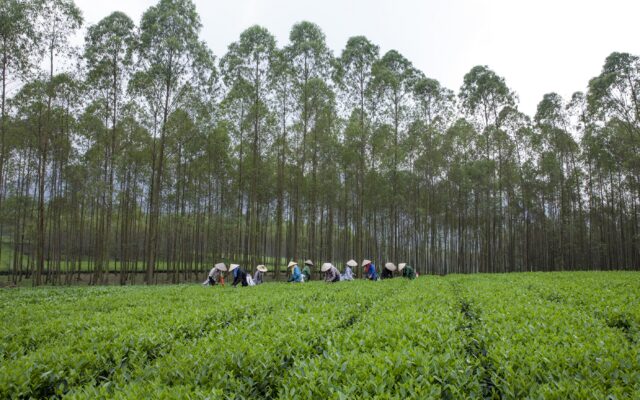
Mid- term courses for cooperative officials in Vietnam
More
The collaboration between the Brazilian and German cooperative sector
More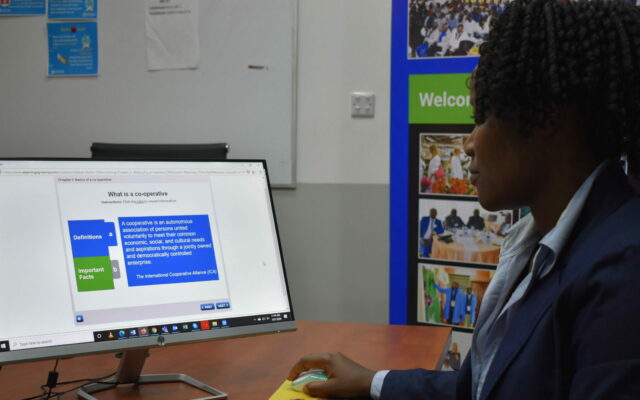
DGRV Kenya supports project partners on their way to adapt to “The new normal” in times of COVID-19
More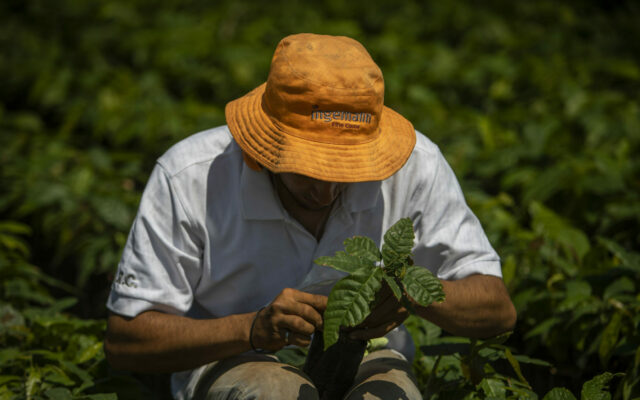
Pablo and his Potatoes
More
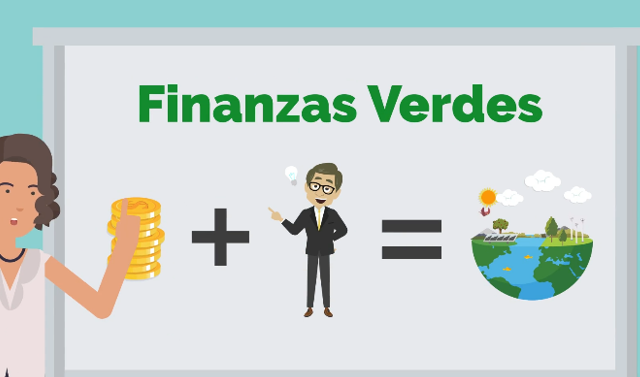
Strengthening small rural producer organizations in Colombia
More