
In Honduras, cooperative finance plays a vital role in improving access to financial services—especially in rural areas. Through its project, DGRV is working with local partners to strengthen this sector. A special focus is placed on introducing sustainable financial products that help communities become more resilient to climate change and use natural resources more efficiently, while also reinforcing cooperative supervision and deposit insurance mechanisms.
To foster this development, DGRV organized a technical exchange program in Germany in September 2025, bringing together key stakeholders from Honduras and Germany to share experiences and learn from one another.
The delegation included representatives from CONSUCOOP, the National Supervisory Council of Cooperatives in Honduras, and FACACH, the largest federation of cooperative financial institutions in Honduras. FACACH represents 78 savings and credit cooperatives with around 850,000 members—over half of them women.
Over the course of the week, the group visited five cities—Bonn, Montabaur, Heidelberg, Stuttgart, and Frankfurt—and met with eight institutions from Germany’s cooperative finance and energy sectors.
The journey began at DGRV’s headquarters in Bonn, where participants received an introduction to the German cooperative model. A key topic was the implementation of a Deposit Protection Scheme for cooperative financial institutions in Honduras. The visit to the National Association of German Cooperative Banks (BVR) provided valuable insights into Germany’s systems, while also opening space for discussion on how similar mechanisms could be adapted to the Honduran context.
Regulation and supervision were explored in depth during meetings with the Federal Financial Supervisory Authority (BaFin) and the Cooperative Association of Baden-Württemberg (BWGV). These sessions offered opportunities for mutual learning on oversight mechanisms and institutional responsibilities.
A further important stop was at the DZ Bank in Frankfurt, the central institution of the German cooperative banking sector. Here, participants gained a deeper understanding of the role and functions of a central cooperative bank, while also sharing their own perspectives and needs from the Honduran context.
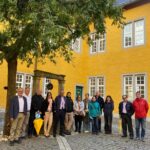
At the Academy of German Cooperatives (ADG) in Montabaur, the delegation explored modern training programs for future cooperative leaders. Discussions focused on the growing demands placed on executives and supervisory board members, and the importance of continuous education to meet legal and ethical standards—an area of shared interest for both countries.
In Heidelberg, the Volksbank Heidelberg showcased the wide range of services offered by a modern cooperative financial institution. The visit also included a presentation by the Bürgerwerke Heidelberg eG, an energy cooperative that demonstrated how cooperatives can drive the expansion of renewable energy and contribute to sustainability goals—sparking ideas for similar initiatives in Honduras.
A visit to the Untertürkheim Wine Cooperative illustrated how the cooperative model also thrives in agriculture, showing its versatility and impact across sectors.
In the closing feedback session, one participant summed up the experience by saying:
“Thank you very much, and the German cooperative institutions involved, for this internship of the highest level, so many experiences learned.”
Looking Ahead
 CONSUCOOP, FACACH, and DGRV are confident that this technical exchange will advance the cooperative sector in Honduras. By engaging in mutual learning and collaboration, both sides have gained valuable insights that will help build a more resilient, inclusive, and sustainable financial ecosystem—one that empowers communities and strengthens the country’s economic future.
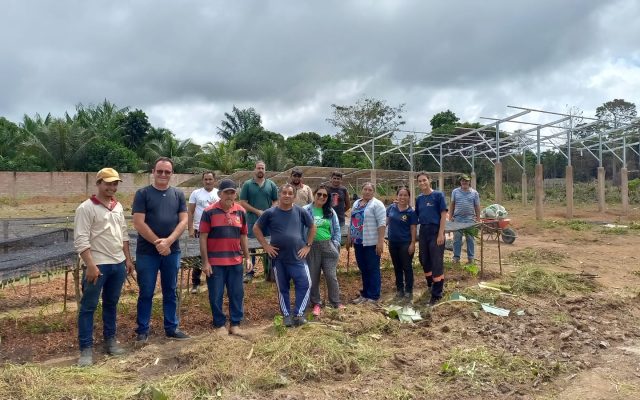
Helping the cooperative CCampo Alimentos to implement an Agrivoltaic pilot project in Brazil
More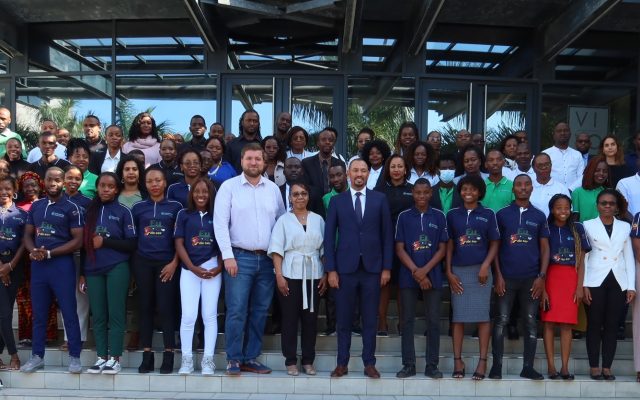
Empowering Mozambican youth through cooperative entrepreneurship to tackle unemployment and promote economic growth.
More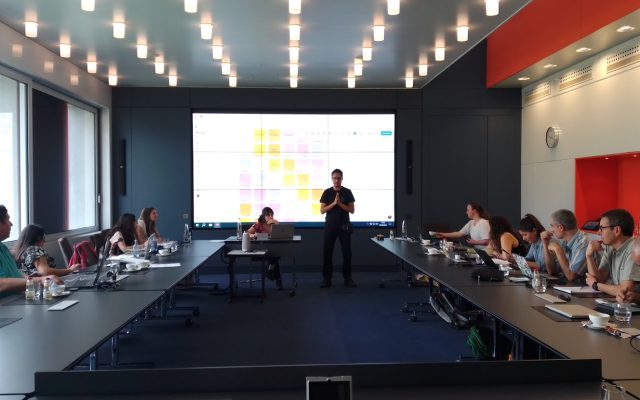
In June, eight Chilean organizations participated in an Exposure Visit to learn from the experience of Energy Cooperatives in Germany
More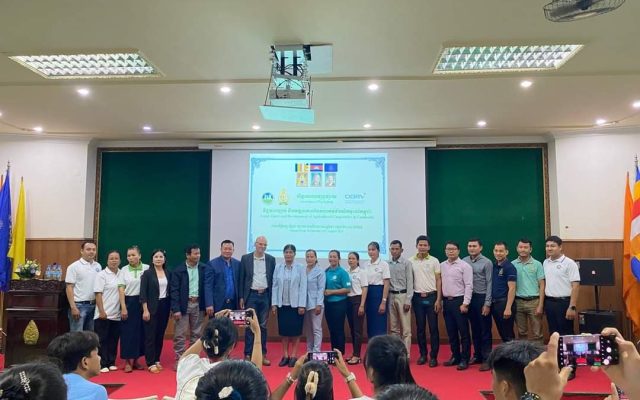
Empowering Cambodia's agricultural cooperatives through dynamic seminars: DGRV and AERD/RUA collaborate to drive leadership, professionalism, and sustainable growth.
More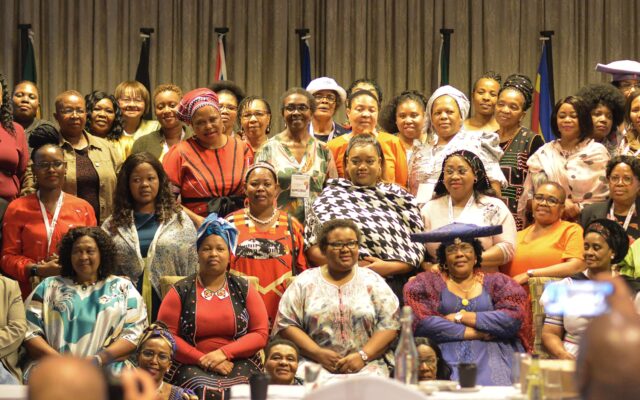
In an extraordinary gathering, female traditional leaders from Southern Africa converged to harmonize the concepts of Ubuntu and cooperative principles, setting a visionary path for community development.
More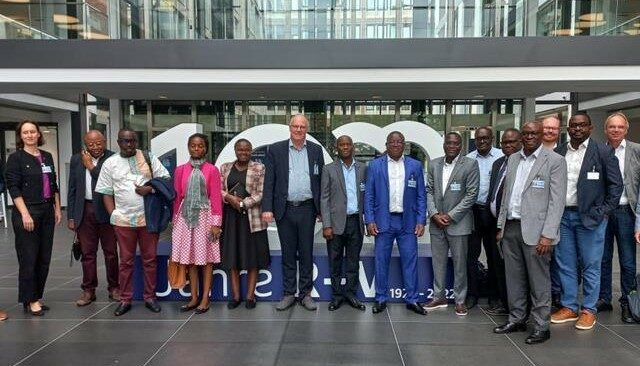
Financial experts from Benin, Cameroon, and Uganda embarked on a journey to Germany to explore the essence of cooperative principles, forging a vision for a resilient banking sector that transcends borders and fosters economic and social progress in African communities.
More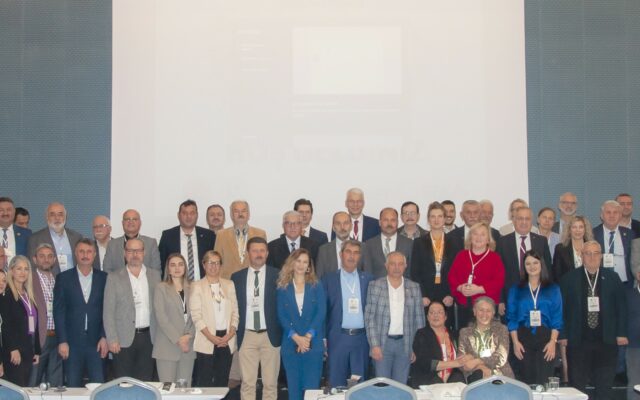
The 8-year long TAKBİ project within the framework of the Turkish and German association cooperation, revitalized Turkish agricultural cooperatives by surmounting challenges, elevating organizational structures, improving service quality, and fostering member satisfaction, leaving a lasting positive impact on the cooperative landscape in Turkey.
More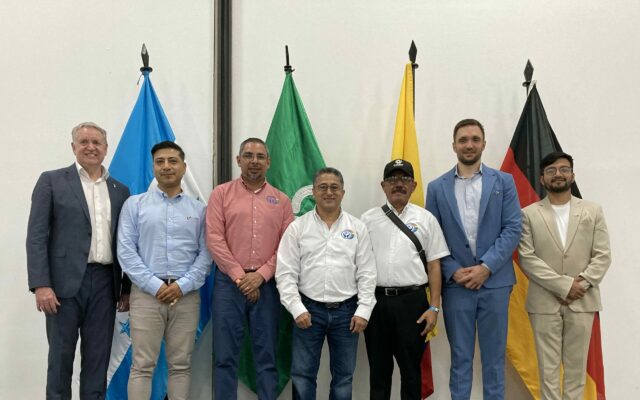
DGRV’s project in Honduras focuses on strengthening the cooperative financial sector, particularly in rural areas, and improving access to financial products and services. The initiative also aims to enhance resilience to climate change and promote the efficient use of natural resources, fostering sustainable and inclusive economic growth.
More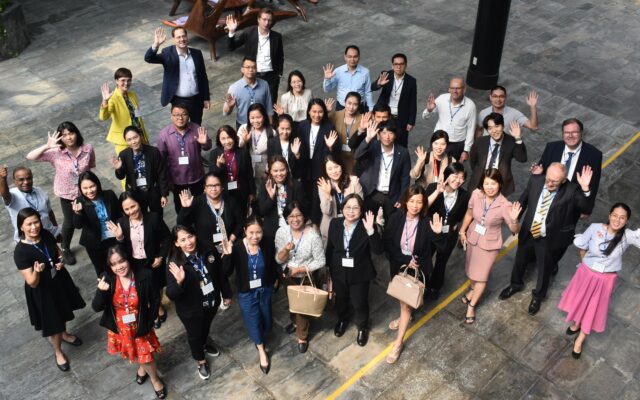
A new partnership between DGRV and the Cooperative Development Authority (CDA) in the Philippines is enhancing regulatory oversight and stability within the cooperative sector.
More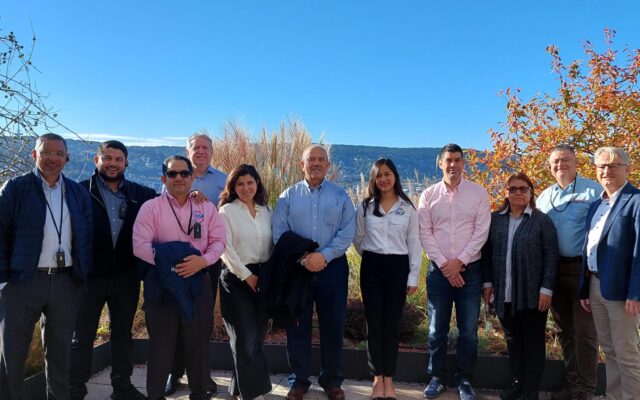
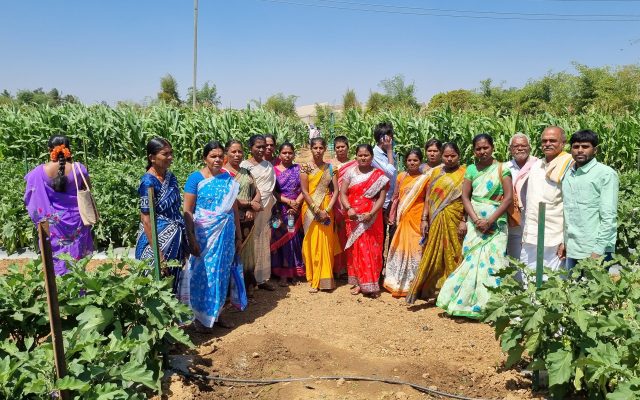
Adaptation measures to climate change in rural areas in India
More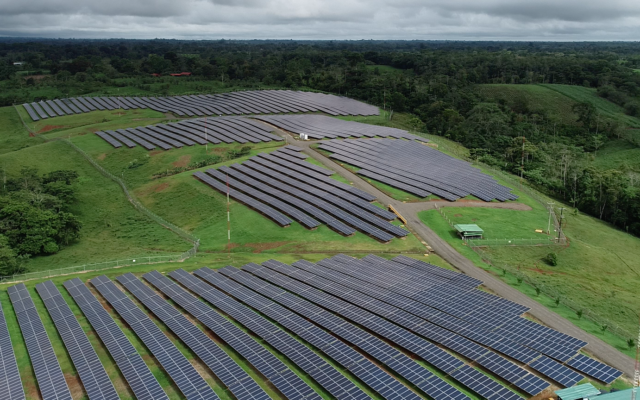
Renewable Energy in Costa Rica generated by cooperatives.
More
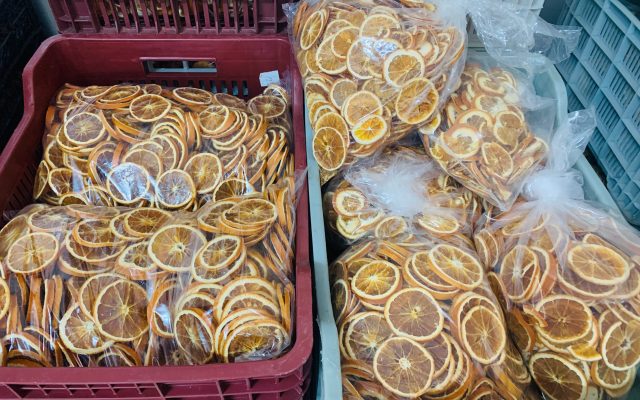
Food Processing with a Regional Federation
More
Digitisation of Primary Co-operatives in eSwatini
More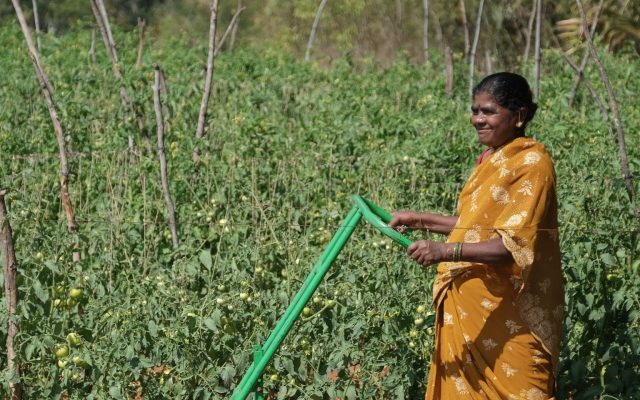
A central solution that enables members to make daily agricultural necessities available promptly and financially affordable
More
The creation of Community Distributed Generation Cooperatives in Chile.
More
Textile cooperative in Tunisia
More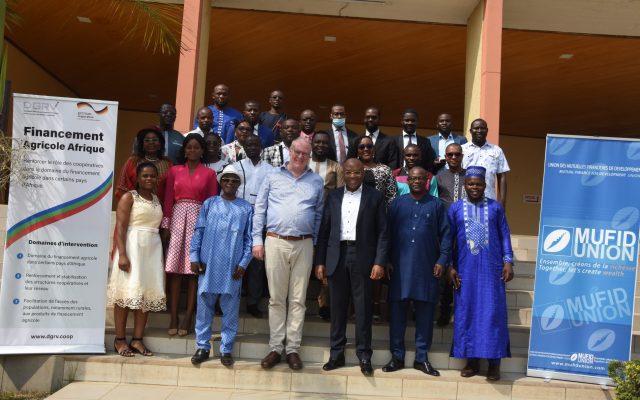
Facilitating access to quality agricultural finance products in Cameroon
More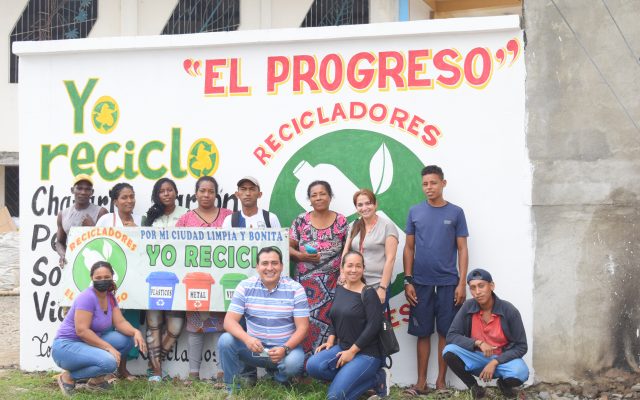
Generating business and commercial connections with the "Networks in Action" project
More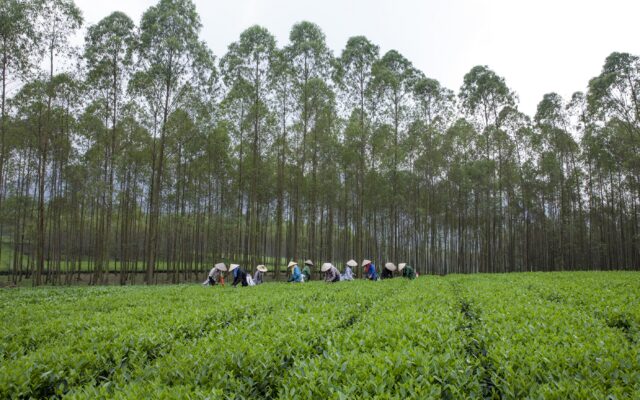
Mid- term courses for cooperative officials in Vietnam
More
The collaboration between the Brazilian and German cooperative sector
More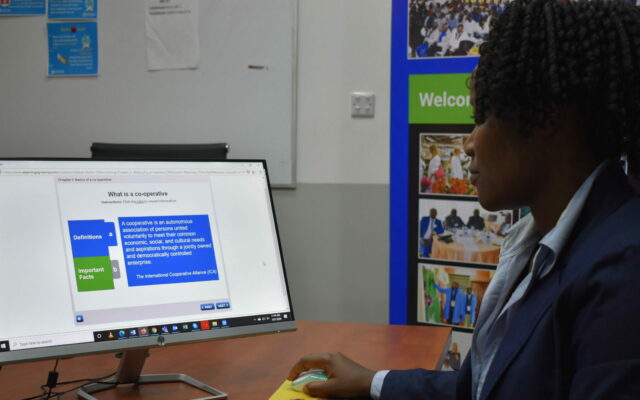
DGRV Kenya supports project partners on their way to adapt to “The new normal” in times of COVID-19
More
Pablo and his Potatoes
More
Strengthening small rural producer organizations in Colombia
More