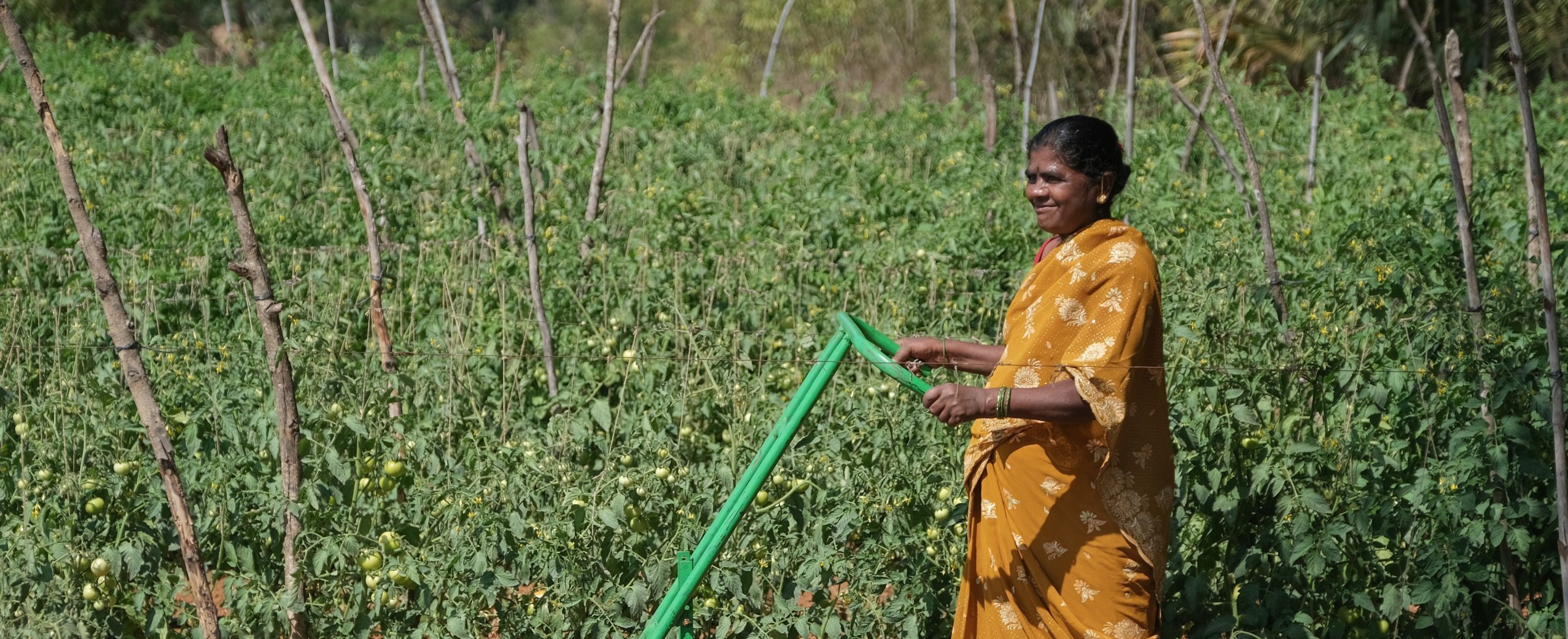
During the pandemic, especially smallholder farms in India suffered massively from the loss of supply chains and sales markets. Turnover collapsed and many members of the so-called Farmer Producer Organisations (FPOs) found themselves in financial difficulties. Therefore, a central solution was sought that would enable the members to make their daily agricultural necessities available promptly and financially affordable. The solution: a Raiffeisen Market based on the German model.
Especially agriculture and the numerous cooperative structures such as FPOs suffered under the extensive curfews and the temporary loss of supply chains and sales markets due to the COVID-19 pandemic. They were no longer able to source inputs and distribute goods on local markets. Even before the Pandemic, the large number of small and micro farmers, especially in rural areas, had hardly any access to agricultural commodities, inputs, equipment and machinery. Ultimately, this meant low productivity, high cultivation costs and restrictions on the use of modern farming methods. As a result, farmers are constantly threatened with the loss of their livelihoods.
As part of the DGRV’s project work in India, FPOs are being supported with cooperative expertise, mainly by the implementing Indian partner organisation APMAS. Since 2018, also the Jangaon FPO federation in the state of Telangana is strengthened with cooperative know-how. In the wake of the pandemic, the federation and its 10 member FPOs, each with an average of 300 members, also suffered greatly from the loss of supply chains and sales markets.
Searching for a sustainable solution, attention quickly fell on the concept of a Raiffeisen Market based on the German model, offering the members of the FPOs agricultural commodities for their daily needs in a timely and financially affordable manner. Advisory services e.g. on the use of organic fertiliser and pesticide an crop rotation should be additional benefits. Impressed by the regional ties and the diverse range of agricultural commodities and advisory services for customers and members of the German Raiffeisen Markets, the simple but promising idea convinced the Jangaon federation and its members in setting up such a demand-oriented, local one-stop solution. A major objective was that the market should be financially sustainable with the member FPOs within a radius of 30 km and their 5,000 households as regular customers.
The GESTE Foundation of the Baden-Württemberg Cooperative Association (BWGV) was also enthusiastic about the idea of exporting a part of successful cooperative tradition to India. Since the beginning of 2021, DGRV has therefore been promoting the establishment of the market with financial support from the GESTE Foundation. Cooperative advice and support are provided by the partner APMAS.
At the request of the members, the values of regionality and quality are explicitly emphasised as goals in the founding statutes. With the help of APMAS, a sustainable financing concept was established. The Jangaon federation rented a suitable building with a warehouse at its own expense. A managing director was hired for business management, and employees were hired for advisory services and warehouse activities. The Raiffeisen Market has been officially registered since the beginning of 2022.
In accordance with the founding statutes, the Jangaon federation and thus the member FPOs own and manage the Raiffeisen Market as a local hub for the procurement of agricultural commodities. In addition, a purchased transporter can be used to take members’ produce to the wholesale markets and to purchase inputs. This means that sales and procurement are in the hands of the members. Previously necessary middlemen can be bypassed.
Since the beginning of the project, both the employees of the Raiffeisen Market and relevant federation staff have been trained on the topics of good corporate governance, internal control, business planning, bookkeeping and accounting. In addition to the implementation of cooperative practices, there is a focus on raising awareness for sustainable, organic agriculture. After all, the market should not only be financially rewarding for the members, it should also contribute to a sustainable agricultural sector and healthier products.
In March 2022, the Raiffeisen market was finally officially opened. In addition to the association members, representatives of various provincial authorities as well as representatives of the GESTE Foundation and the DGRV virtually took part in the celebrations. Besides the opening, there was another reason to celebrate. For the idea and concept have quickly achieved widespread impact. By March, three more FPOs with around 1,400 members had joined the Jangaon federation, especially to take advantage of the market’s services. This makes it clear: the idea of a one-stop-complete solution that is regionally anchored, member- and service-oriented and based on core cooperative values such as self-help, self-responsibility and self-administration is well received by the agricultural producer groups.
There is currently no comparable institution in India. Therefore, the successful model project of the Raiffeisen Market is to function as a lighthouse project for income generation and poverty reduction for FPOs in the future, which can also be realised in other Indian states.
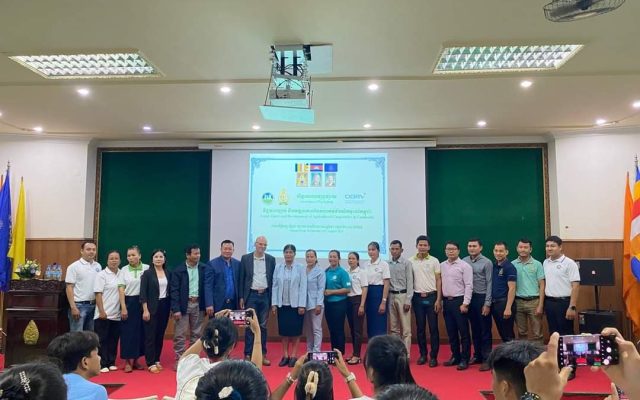
Empowering Cambodia's agricultural cooperatives through dynamic seminars: DGRV and AERD/RUA collaborate to drive leadership, professionalism, and sustainable growth.
More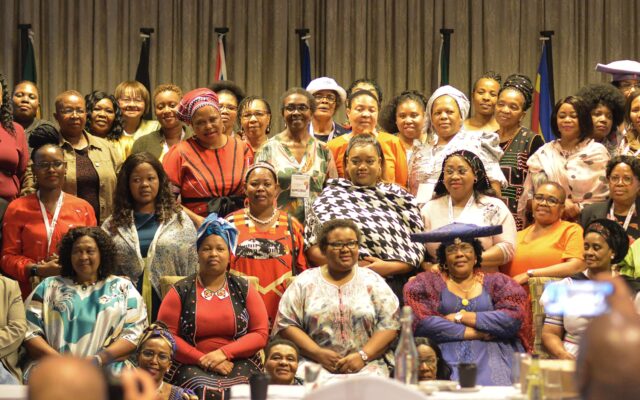
In an extraordinary gathering, female traditional leaders from Southern Africa converged to harmonize the concepts of Ubuntu and cooperative principles, setting a visionary path for community development.
More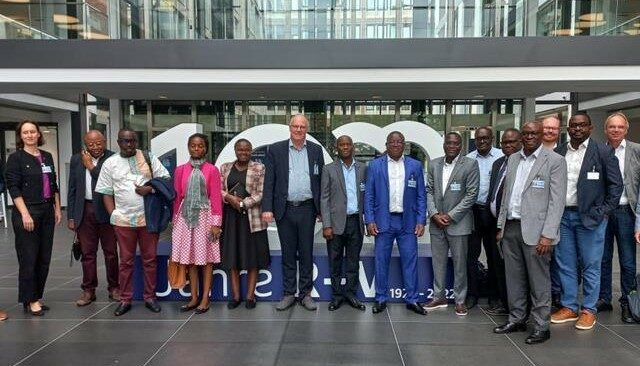
Financial experts from Benin, Cameroon, and Uganda embarked on a journey to Germany to explore the essence of cooperative principles, forging a vision for a resilient banking sector that transcends borders and fosters economic and social progress in African communities.
More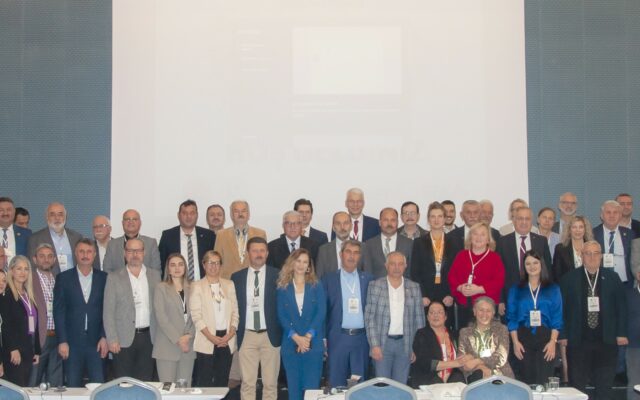
The 8-year long TAKBİ project within the framework of the Turkish and German association cooperation, revitalized Turkish agricultural cooperatives by surmounting challenges, elevating organizational structures, improving service quality, and fostering member satisfaction, leaving a lasting positive impact on the cooperative landscape in Turkey.
More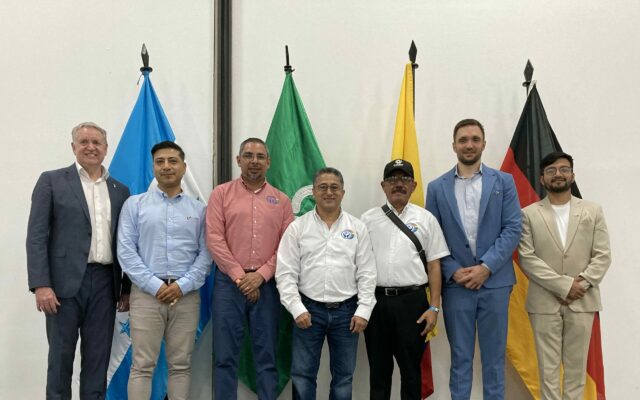
DGRV’s project in Honduras focuses on strengthening the cooperative financial sector, particularly in rural areas, and improving access to financial products and services. The initiative also aims to enhance resilience to climate change and promote the efficient use of natural resources, fostering sustainable and inclusive economic growth.
More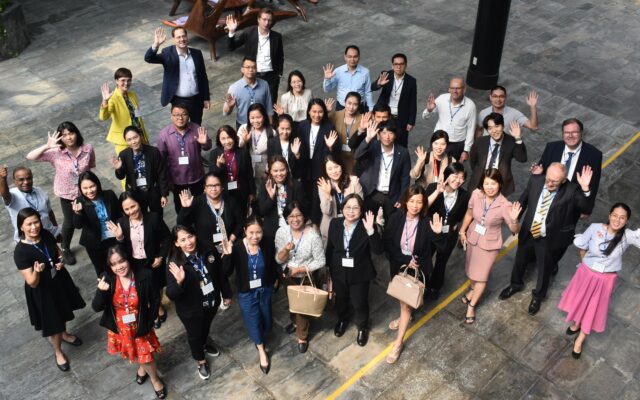
A new partnership between DGRV and the Cooperative Development Authority (CDA) in the Philippines is enhancing regulatory oversight and stability within the cooperative sector.
More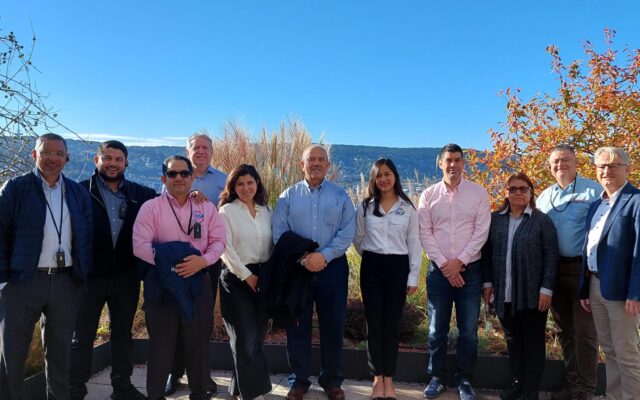
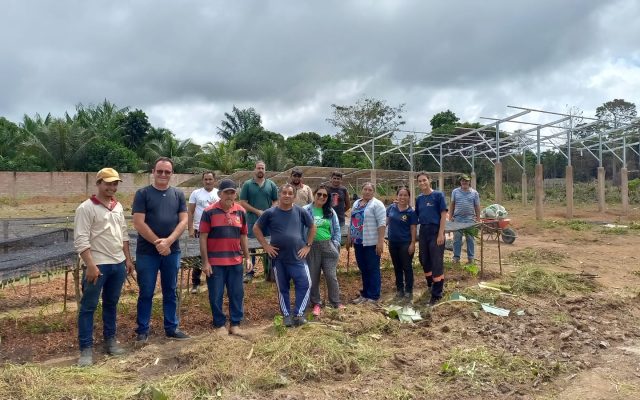
Helping the cooperative CCampo Alimentos to implement an Agrivoltaic pilot project in Brazil
More
Empowering Mozambican youth through cooperative entrepreneurship to tackle unemployment and promote economic growth.
More
In June, eight Chilean organizations participated in an Exposure Visit to learn from the experience of Energy Cooperatives in Germany
More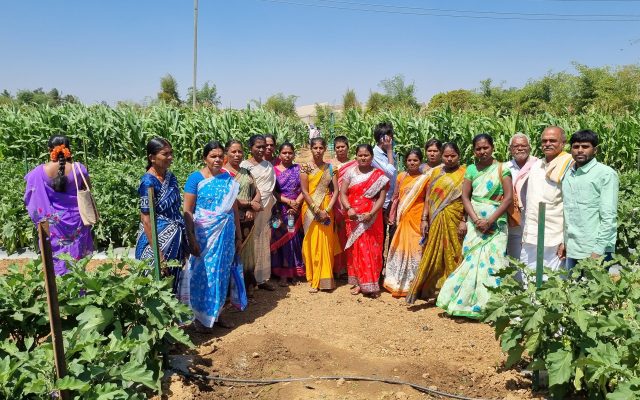
Adaptation measures to climate change in rural areas in India
More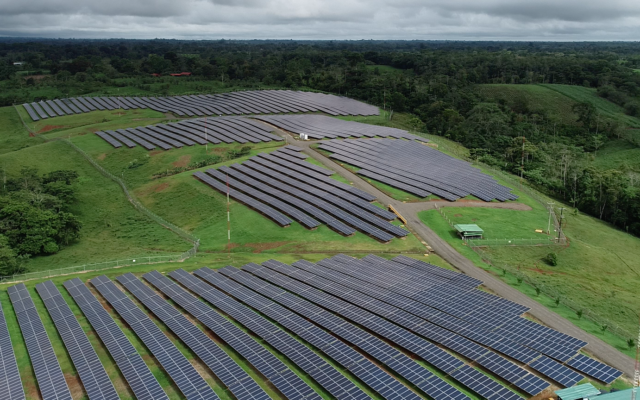
Renewable Energy in Costa Rica generated by cooperatives.
More
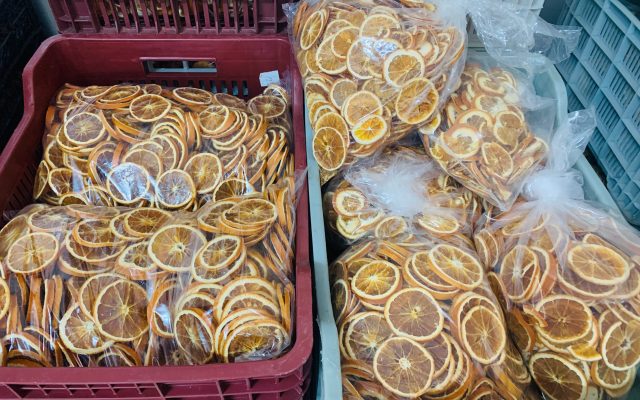
Food Processing with a Regional Federation
More
Digitisation of Primary Co-operatives in eSwatini
More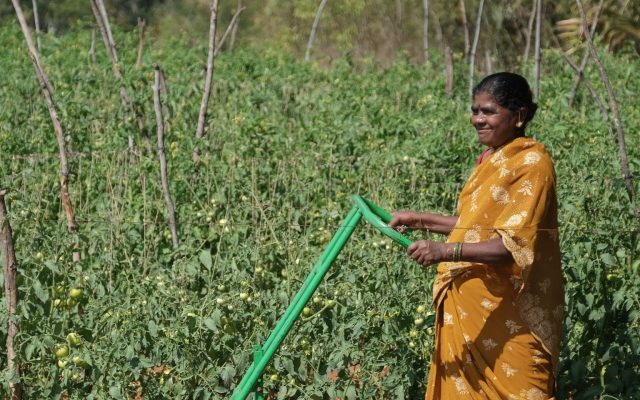
A central solution that enables members to make daily agricultural necessities available promptly and financially affordable
More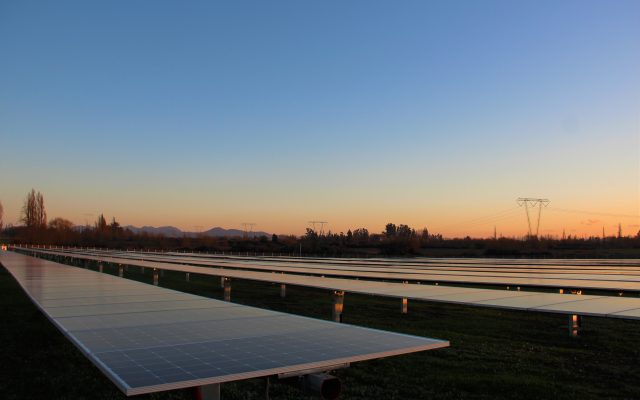
The creation of Community Distributed Generation Cooperatives in Chile.
More
Textile cooperative in Tunisia
More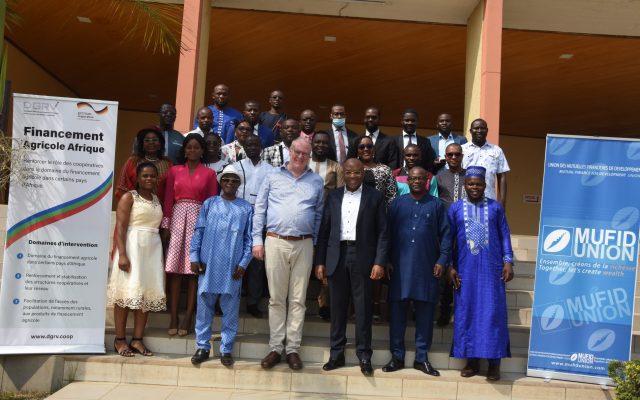
Facilitating access to quality agricultural finance products in Cameroon
More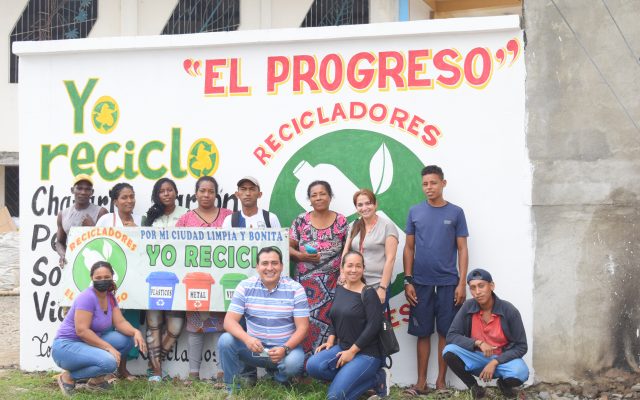
Generating business and commercial connections with the "Networks in Action" project
More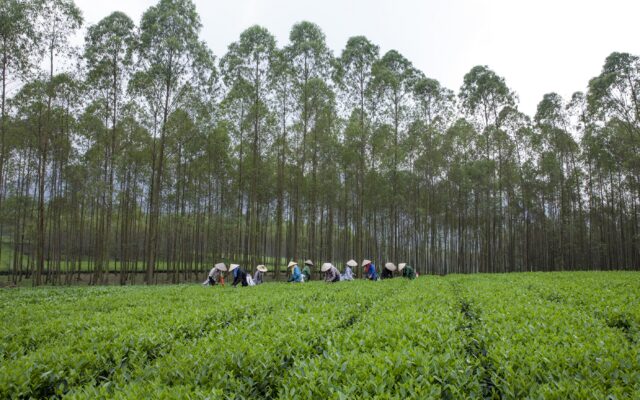
Mid- term courses for cooperative officials in Vietnam
More
The collaboration between the Brazilian and German cooperative sector
More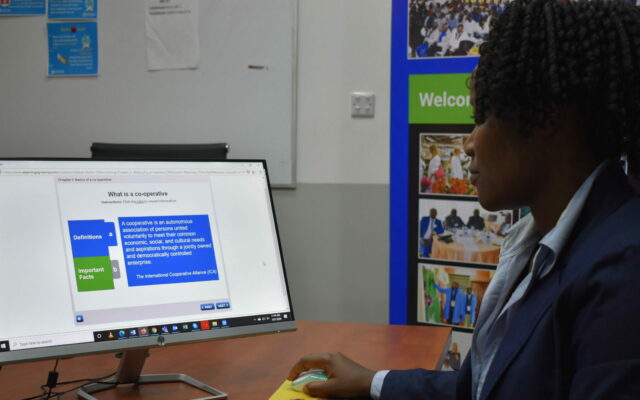
DGRV Kenya supports project partners on their way to adapt to “The new normal” in times of COVID-19
More
Pablo and his Potatoes
More
Strengthening small rural producer organizations in Colombia
More